
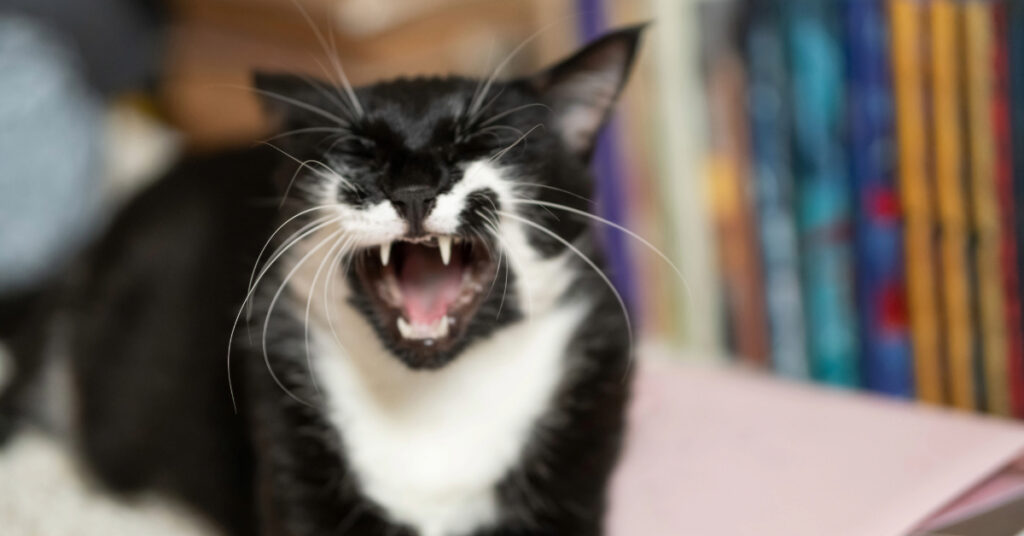
Cat sneezing is usually caused by mild nasal irritation from dust or a passing tickle, but frequent or repeated cat sneezing can point to an upper respiratory infection, allergies, or dental disease that deserves a veterinary look. An occasional sneeze here and there is completely normal, much like it is in people, but when the sneezing becomes a regular occurrence, it’s worth paying closer attention to what else is going on with your cat.
Owners bring up cat sneezing during appointments at Harlingen Veterinary Clinic in Belle Mead more often than almost any other minor symptom, and for good reason. Cats are prone to a handful of common conditions that all share sneezing as an early sign, ranging from something as simple as dust in the litter box to something that needs medication. Below, we’ll walk through the most common causes of cat sneezing, what other symptoms to watch for, and when it’s time to schedule a visit.
What Causes Cat Sneezing?
Cat sneezing has a wide range of possible causes, from harmless environmental irritants to underlying infections. Identifying the pattern, such as how often it happens and whether other symptoms are present, helps narrow down what’s actually going on.
Environmental Irritants
Dust, scented litter, cleaning sprays, candles, and even strong perfumes can trigger a bout of cat sneezing in an otherwise healthy cat. This type of sneezing tends to be occasional, isolated, and not accompanied by other symptoms like discharge or lethargy. Switching to an unscented litter or improving ventilation often resolves irritant-related sneezing quickly. Cats have a much more sensitive sense of smell than people, so an odor that seems mild to a human nose can be genuinely irritating to a cat’s nasal passages, triggering repeated sneezing until the source is removed.
Upper Respiratory Infections
Viral infections, particularly feline herpesvirus and calicivirus, are among the most common causes of persistent cat sneezing, especially in kittens, shelter cats, or multi-cat households. These infections often come with additional signs like nasal or eye discharge, congestion, and reduced appetite, and they tend to be more contagious among cats living in close quarters. Once a cat is exposed to feline herpesvirus, it can remain dormant in the body for life, meaning stress or illness later on can trigger a flare-up of cat sneezing even years after the initial infection cleared.
When Cat Sneezing Signals an Infection
Persistent cat sneezing that lasts more than a day or two, especially alongside other symptoms, often points to an active upper respiratory infection rather than simple irritation. These infections are common in cats and generally manageable, but they benefit from an accurate diagnosis.
Signs of a Respiratory Infection
Watery or thick nasal discharge, watery or crusty eyes, congestion, and reduced appetite frequently accompany infectious cat sneezing. Some cats also develop a mild fever or become more lethargic than usual while fighting off the infection. Kittens and senior cats tend to show more pronounced symptoms than healthy adult cats, and a stuffy nose can sometimes reduce a cat’s sense of smell enough that it temporarily loses interest in eating.
Why Multi-Cat Households See More Cases
Feline upper respiratory infections spread easily through shared food bowls, litter boxes, grooming, and close contact, making cat sneezing more common in households with multiple cats or in cats recently adopted from a shelter environment. Stress, including the stress of a new home, can also trigger a flare-up in cats carrying a dormant virus. New cat owners are sometimes surprised to see a healthy-looking cat start sneezing within days of arriving home, but this is a well-recognized pattern tied to the stress of relocation rather than a new infection. Additional signs to watch for:
- Squinting or pawing at the eyes, suggesting irritation beyond the nose
- A raspy or hoarse-sounding meow that wasn’t there before
- Hiding more than usual or seeking out warm, quiet spots
Other Causes Behind Chronic Cat Sneezing
When cat sneezing becomes a long-term, recurring pattern rather than an occasional occurrence, the underlying cause is sometimes something other than a typical viral infection. Chronic cases deserve a more thorough veterinary evaluation to identify what’s actually driving the symptom.
Dental Disease
Tooth root infections, particularly in the upper teeth, sit close to the nasal passages and can cause chronic, one-sided cat sneezing along with bad breath or difficulty eating. Because the connection between dental health and sneezing isn’t obvious to most owners, this cause is frequently overlooked until a dental exam uncovers it. A cat with a chronic tooth root abscess may show no other signs of pain, since cats are notoriously good at masking discomfort, which makes routine dental checkups an important part of catching this cause early.
Allergies and Nasal Polyps
Some cats develop seasonal or environmental allergies that cause recurring sneezing, similar to hay fever in people. Nasal polyps or, less commonly, tumors can also cause chronic sneezing, particularly if it’s persistent, one-sided, or accompanied by bleeding. These causes typically require imaging or a closer examination to diagnose accurately. Nasal polyps are benign growths that form in the nasal cavity or middle ear, and while they aren’t cancerous, they can grow large enough to obstruct airflow and cause ongoing irritation until they’re surgically removed. Allergy-related cat sneezing often follows a seasonal pattern, flaring up during pollen-heavy months and improving once the trigger season passes, which can help distinguish it from an infectious cause. Symptoms that may indicate allergies or nasal polyps as the cause:
- Reluctance to eat dry kibble while still accepting softer wet food
- Pawing at the mouth or rubbing the face against furniture repeatedly
- No improvement after a litter or cleaning-product switch has already been tried
When Should You Bring Your Cat to Harlingen Veterinary Clinic?
Most cases of cat sneezing resolve on their own or with minor environmental changes, but certain warning signs mean it’s time to schedule an appointment rather than wait it out. Trusting your instincts as an owner matters here, since you know your cat’s normal behavior best.
Red Flags Worth a Visit
Persistent cat sneezing lasting more than a few days, thick or colored discharge, visible blood, labored breathing, or a noticeable drop in appetite or energy are all reasons to contact Harlingen Veterinary Clinic promptly. Kittens, senior cats, and cats with existing health conditions warrant a lower threshold for seeking care, since they tend to decline more quickly than healthy adult cats. A veterinary exam for cat sneezing typically includes a look at the nose, mouth, and eyes, along with questions about how long the sneezing has been going on and whether it seems tied to a particular room, product, or time of year.
Cat sneezing is rarely an emergency on its own, but it’s a symptom worth watching closely rather than dismissing or ignoring outright. Occasional sneezes from dust or a passing irritant usually resolve completely without any intervention, while frequent or worsening sneezing often points to something that genuinely benefits from a veterinary diagnosis. Paying close attention to accompanying symptoms, like nasal discharge, appetite changes, or lethargy, gives you and your veterinarian the clearest possible picture of what’s actually going on. If your cat’s sneezing has you second-guessing whether it’s genuinely normal or something more, our team at Harlingen Veterinary Clinic is always happy to help you sort it out. Call (908) 359-2000 or book an appointment online today!