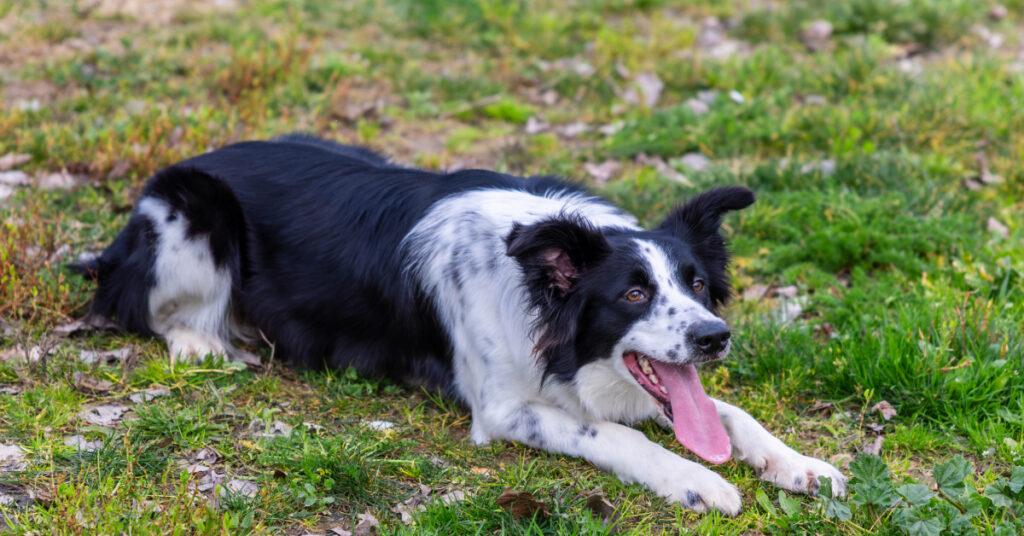
Dog panting is a normal way for dogs to cool down after exercise or on a warm day, but it can also be triggered by stress, pain, excitement, certain medications, or an underlying medical condition that has nothing to do with temperature. If your dog seems to be panting more than usual, or panting when it’s neither hot nor tired, it’s worth looking a little closer at what else might be going on, since the context around the panting often tells you more than the panting itself.
At Harlingen Veterinary Clinic in Belle Mead, dog panting comes up constantly, usually framed as an innocent observation rather than a concern. Most of the time that’s exactly right, since panting is simply how dogs regulate their body temperature through evaporative cooling in the mouth and airway. But dog panting can also be a signal worth paying attention to, especially when it shows up at an unexpected moment or doesn’t match the situation. This guide explores seven surprising reasons behind dog panting beyond the obvious explanation of heat, along with the specific patterns that separate normal panting from something genuinely worth a phone call.
Dog Panting From Stress, Anxiety, and Excitement
Emotional states are one of the most overlooked triggers of dog panting, and they can look remarkably similar to panting from physical exertion even though the underlying cause is entirely and completely different, which is exactly why context matters so much when trying to interpret it.
Stress and Anxiety
Dog panting frequently accompanies anxiety, whether it’s triggered by a thunderstorm, a car ride, separation from an owner, or an unfamiliar environment like a veterinary waiting room. Stress panting tends to come with other body language cues, including pacing, lip licking, yawning, or a lowered tail, that can help distinguish it from panting due to heat. Some dogs also drool excessively or seek out a hiding spot during stressful dog panting episodes, which further separates anxiety-driven panting from the steady, open-mouth breathing you’d see after a game of fetch.
Excitement and Overstimulation
A dog greeting its owner at the door, anticipating a walk, or watching squirrels through the window may start panting purely from excitement rather than any physical exertion. This type of dog panting usually resolves quickly once the stimulating event passes and the dog settles back down. Puppies and younger dogs, in particular, tend to show this excitement-driven panting more dramatically than calmer, more settled adult dogs, since their arousal levels shift so quickly from calm to fully activated. Other causes include:
- Vacuum cleaners, doorbells, or other sudden household sounds
- Being crated or left home alone, especially in a new environment
- Grooming appointments, nail trims, or unfamiliar handling
Dog Panting Triggered by Pain and Discomfort
Pain is one of the less obvious reasons behind dog panting, and it’s one that owners frequently miss because dogs are naturally inclined to mask discomfort rather than display it obviously, a survival instinct left over from their wild ancestors.
Recognizing Pain-Related Panting
Dog panting caused by pain often appears alongside other subtle signs, such as restlessness, reluctance to lie down comfortably, changes in posture, or resistance to being touched in a particular area. Unlike panting from heat or exercise, pain-related panting doesn’t typically ease with rest in a cool environment. Owners sometimes describe this kind of dog panting as looking almost anxious, since a dog in pain often paces or repositions itself repeatedly while continuing to pant.
Common Sources of Discomfort
Arthritis, an injury, dental pain, or abdominal discomfort can all cause a dog to pant persistently even while resting quietly. Senior dogs with joint pain are especially prone to this pattern, since chronic discomfort can produce a near-constant low-level pant that owners sometimes mistake for simple aging. A thorough veterinary exam is usually the only reliable way to pinpoint the exact source of pain-related dog panting, since dogs can’t point to where it hurts.
Dog Panting Linked to Medications and Medical Conditions
Certain medications and underlying health conditions list increased panting as a known side effect or symptom, making this particular category of dog panting especially important for owners to recognize and mention proactively at routine checkups.
Medication Side Effects
Steroids like prednisone are well known for causing increased dog panting as a side effect, along with increased thirst and appetite. Other medications, including certain pain relievers and sedatives, can also affect a dog’s breathing pattern temporarily while the medication is active in the system. If your dog started a new prescription around the same time the panting began, mentioning that timing to your veterinarian can help confirm whether the medication is the likely explanation for the increased dog panting.
Heart and Respiratory Conditions
Heart disease and respiratory conditions can cause dog panting that appears disproportionate to activity level, often accompanied by a cough, reduced stamina, or a bluish tinge to the gums in severe cases. Cushing’s disease, a hormonal condition common in older dogs, is another frequent medical cause of persistent, unexplained panting. Because these underlying conditions can be serious, our team at Harlingen Veterinary Clinic generally recommends a diagnostic workup any time panting becomes a daily pattern rather than an occasional occurrence tied to an obvious trigger.
When Dog Panting Signals an Emergency
While most dog panting is harmless, certain patterns point to a genuine emergency that requires immediate veterinary attention rather than a wait-and-see approach at home.
Heatstroke and Heat-Related Panting
Heavy, rapid dog panting combined with bright red gums, excessive drooling, weakness, or collapse after time in the heat can indicate heatstroke, a life-threatening emergency. Brachycephalic breeds, like bulldogs and pugs, are especially vulnerable to heat-related panting problems due to their shorter airways, which make it harder for them to cool down efficiently even under normal summer conditions.
Bloat and Other Urgent Causes
Sudden, severe dog panting accompanied by a distended abdomen, unproductive retching, or visible distress can indicate bloat, a life-threatening condition in dogs that requires emergency care. Any dog showing these combined symptoms should be seen by a veterinarian immediately rather than monitored at home, since bloat can progress from first symptoms to a critical state within a matter of hours.
Dog panting is something nearly every owner sees every single day, which is exactly why it’s easy to overlook when the pattern changes. Recognizing the difference between normal, expected panting and panting tied to stress, pain, medication, or an underlying medical issue gives you a much clearer sense of when to simply offer water and rest versus when to call your veterinarian. Paying attention to the context, timing, and accompanying symptoms around your dog’s panting is often the most useful diagnostic tool you have as an owner, since a veterinarian will almost always ask about exactly those details during an exam. If your dog’s panting has you second-guessing what’s normal, call (908) 359-2000 or book an appointment online so our team at Harlingen Veterinary Clinic can help you figure it out and rule out anything more serious.