
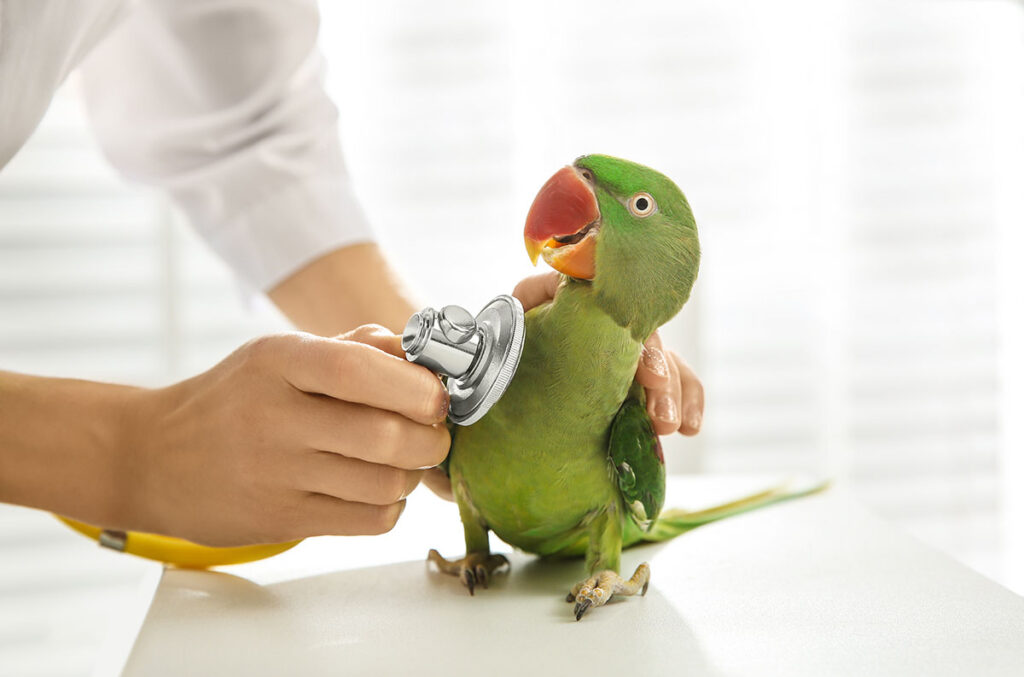
Regular vet visits play an essential role in protecting exotic pets from hidden illness and delayed diagnosis. Many species instinctively conceal discomfort, which makes professional evaluation especially important. An experienced exotic veterinarian understands subtle behavioral cues, species-specific anatomy, and health patterns that owners may not recognize at home. These visits allow trends to be tracked, concerns to be identified early, and wellness strategies to evolve over time. When owners partner consistently with an exotic vet, they give their pet a stronger foundation for long-term stability. For exotic pets in Belle Mead, preventive veterinary care supports confidence, comfort, and longevity.
1. Exotic Pets Are Experts at Hiding Illness Until It’s Too Late
Exotic animals evolved to hide weakness. This instinct often delays the discovery of serious health problems. Birds, reptiles, rabbits, and small mammals may appear normal while disease progresses internally. A trained exotic vet recognizes early physical and behavioral shifts that suggest trouble.
Routine visits allow your veterinary team to establish a health baseline. That baseline makes even subtle changes easier to detect. Small differences in weight, posture, or activity often provide early clues. Without consistent veterinary monitoring, owners may not realize a problem exists until symptoms become severe.
How Veterinary Professionals Detect Subtle Changes
During an exam, your exotic vet may evaluate:
- Body condition and muscle tone
- Feather, fur, or scale quality
- Breathing patterns and posture
- Alertness and responsiveness
- Weight history
These details help identify emerging concerns long before they become disruptive.
2. Many Health Problems Are Invisible Without Specialized Testing
Some conditions never produce obvious outward symptoms. Specialized diagnostics allow exotic veterinary teams to evaluate internal systems accurately. Blood panels, imaging, and other tools reveal changes that physical exams alone cannot confirm.
An exotic veterinarian also knows which diagnostics match each species. Birds, reptiles, and small mammals all require different testing approaches. This precision allows meaningful insight without unnecessary procedures. Over time, repeated testing helps identify developing trends and supports more confident long-term planning.
Why Specialized Diagnostics Matter
Advanced testing allows veterinary professionals to:
- Detect early organ stress
- Monitor chronic patterns
- Establish accurate baselines
- Track internal progression
- Reduce diagnostic uncertainty
These tools strengthen preventive care and improve outcome planning.
3. Preventive Exams Improve Long-Term Health and Lifespan
Preventive exams form the backbone of exotic animal care. During these visits, veterinarians evaluate growth, aging patterns, and lifestyle influence. When pets are seen consistently, small shifts become easier to interpret.
Exotic pets experience life stages differently from dogs and cats. An exotic veterinary provider understands how juvenile, adult, and senior phases affect health priorities. Routine exams keep owners informed and prepared while supporting smoother transitions across life stages.
Preventive visits also allow long-term strategies to evolve. These adjustments help stabilize health and protect quality of life.
4. Species-Specific Medical Risks Need Expert Attention
Each exotic species carries unique vulnerabilities. An exotic vet trains to recognize these patterns and respond appropriately. Without specialized care, many species-related conditions remain misunderstood or overlooked.
Veterinary professionals evaluate anatomy, behavior, and environment together. This integrated approach connects daily routines with medical trends. These insights strengthen planning and reduce unexpected complications.
Working with an exotic veterinary team gives owners access to expertise that general care cannot replicate.
5. Environmental and Dietary Problems Are Often Overlooked
Many exotic health concerns begin with environmental or dietary imbalance. Veterinary teams review these factors during routine visits. Even when a pet appears healthy, early warning signs may appear through careful observation.
An exotic veterinarian considers behavior, physical condition, and history together. This complete perspective allows patterns to emerge. Owners gain clarity about how daily care influences long-term health.
What Veterinary Teams Review in Daily Care
Your exotic vet may evaluate:
- Enclosure size and structure
- Temperature and lighting consistency
- Feeding routines and variety
- Activity and enrichment levels
- Handling patterns
These elements strongly influence wellness outcomes.
6. Early Intervention Reduces the Need for Emergency Care
Many emergencies develop gradually. Preventive visits allow veterinary professionals to address concerns early. This early attention often reduces severity and supports smoother care paths.
Veterinary guidance also helps owners recognize which changes deserve prompt attention. Over time, this improves confidence and communication. Owners feel more comfortable reaching out when something feels different.
Early intervention does not eliminate emergencies, but it improves preparedness and reduces risk.
7. Building a Preventive Care Plan for Your Exotic Pet
A preventive care plan adds structure to exotic pet ownership. Veterinary teams create schedules based on species, age, and lifestyle. These plans ensure every stage of life receives attention.
Plans evolve as pets grow and age. This flexibility keeps care relevant and responsive while supporting long-term stability.
What a Preventive Plan May Include
A preventive plan may outline:
- Routine wellness schedules
- Ongoing monitoring goals
- Environmental review points
- Long-term wellness priorities
- Age-related considerations
Each element strengthens the partnership between owner and veterinary provider.
Exotic Veterinary Care at Harlingen Veterinary Clinic
At Harlingen Veterinary Clinic, we provide compassionate, species-focused exotic veterinary care for families throughout Belle Mead, NJ. Our team understands the unique medical and environmental needs of birds, reptiles, small mammals, and other exotic companions. Every visit focuses on prevention, careful observation, and long-term wellness planning.
We believe exotic pets deserve the same level of attentive, individualized care as any other companion animal. By working closely with pet owners, our exotic vet team helps identify subtle health changes, monitor long-term trends, and support confident decision-making.
To learn more about the exotic pet care at Harlingen Veterinary Clinic, visit https://harlingenveterinaryclinic.com/exotic-pet-care/.
Final Thoughts
Regular visits with an exotic vet support comfort, confidence, and long-term health. Exotic pets depend on specialized veterinary insight to thrive, and consistent preventive care makes a measurable difference over time. At Harlingen Veterinary Clinic, we are proud to support exotic pets and the families who love them. If you have questions or would like to schedule an appointment, please call (908) 359-2000. Our team is here to help your exotic companion receive the attentive, knowledgeable care they deserve.