
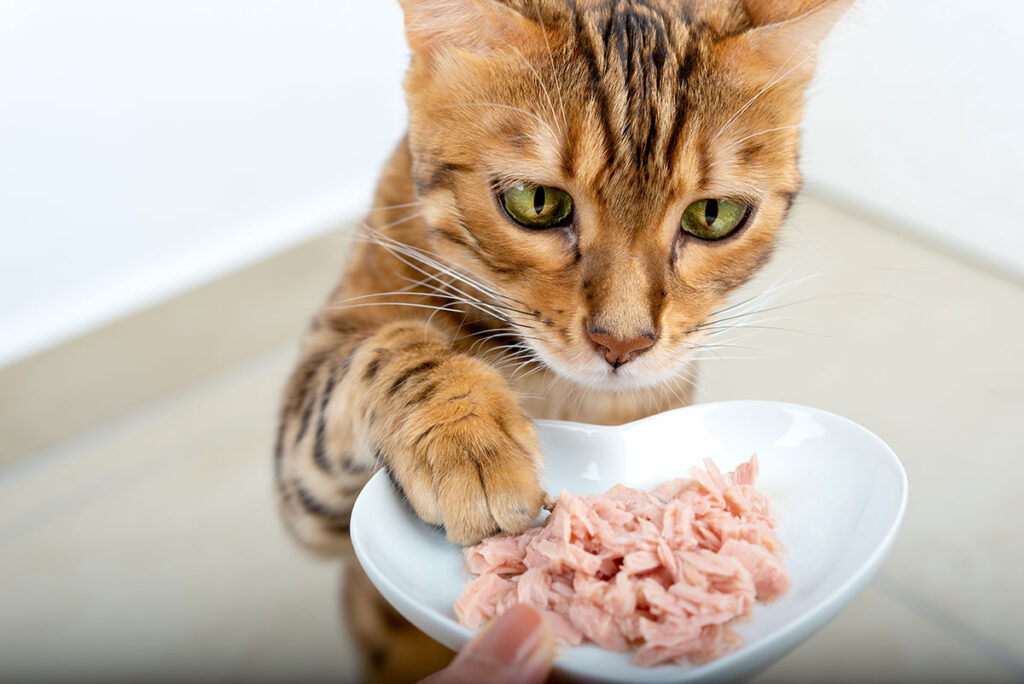
Yes, cats can eat tuna fish in small, limited amounts, but tuna should never replace a complete, balanced feline diet. Many cats love the smell and taste of tuna, yet regular or excessive feeding can create nutritional gaps and other concerns. Understanding how cats eat tuna fish safely helps pet owners make informed choices without turning a simple treat into a long-term problem.
Introduction
You open a can of tuna, and your cat appears instantly. The enthusiasm feels harmless, and you may wonder if sharing a bite makes sense. Many pet owners ask whether cats eat tuna fish safely, or if this popular human food causes more harm than good. The answer sits in the details. Tuna offers protein and flavor, yet it lacks key nutrients cats need every day. Learning how cats eat tuna fish responsibly keeps mealtime enjoyable while protecting long-term health. If you have questions about your cat’s diet, Harlingen Veterinary Clinic in Belle Mead, NJ can help. Call (908) 359-2000 to schedule an appointment or request more information.
Is Tuna Good for Cats?
Tuna can smell and taste appealing to cats, which explains why many owners assume it works as a healthy option. When cats eat tuna fish occasionally, they may enjoy the flavor and texture, but tuna alone does not meet a cat’s nutritional requirements. Cats need a specific balance of amino acids, vitamins, and minerals that commercial cat foods are designed to provide. Tuna does not offer that balance.
Another concern involves how often cats eat tuna fish. Frequent exposure can encourage picky eating, making cats ignore nutritionally complete meals. Over time, this habit may lead to nutrient imbalances. Tuna also contains fats and trace elements that should stay limited in a feline diet.
Cats eat tuna fish best when it remains an occasional treat, not a meal replacement. A few important points help explain why moderation matters:
- Tuna lacks taurine in the amounts cats require for daily health.
- It does not contain the full vitamin and mineral profile cats need.
- Strong flavors may change long-term food preferences.
- Repeated feeding can reduce interest in balanced cat food.
Cats eat tuna fish safely when owners treat it as a small bonus rather than a routine part of daily meals. If you notice changes in appetite or behavior after introducing tuna, contact Harlingen Veterinary Clinic at (908) 359-2000 for guidance.
Can Cats Eat Canned Tuna?
Canned tuna often raises more questions than fresh tuna. When cats eat tuna fish from a can, the type of liquid matters. Some cans contain water, others contain oil, and some include added salt or seasonings. These additions change how suitable the tuna is for cats.
Cats eat tuna fish in water more safely than tuna packed in oil or broth. Oil adds unnecessary fat, while broths may include sodium or flavorings. Even plain canned tuna should remain an occasional treat. The processing method can reduce certain nutrients and increase others that cats do not need in large amounts.
When considering canned tuna, keep these factors in mind:
- Choose plain tuna packed in water.
- Avoid tuna with added salt, spices, or flavorings.
- Offer only small portions.
- Do not replace regular meals with canned tuna.
Cats eat tuna fish from cans easily, which makes portion control even more important. A small bite satisfies curiosity without overwhelming the diet. If you feel unsure about specific brands or ingredients, Harlingen Veterinary Clinic can answer your questions at (908) 359-2000.
Can Kittens Eat Tuna?
Kittens require even more precise nutrition than adult cats. Their bodies grow quickly, and every meal supports development. When kittens eat tuna fish, they may enjoy the taste, yet tuna does not provide the complete nutrients growing cats need.
Introducing tuna too early can encourage picky habits that make feeding balanced kitten food more difficult. Kittens may prefer tuna over appropriate meals, which affects growth and development. For this reason, kittens should rely on food formulated specifically for their life stage.
Cats eat tuna fish differently at different ages, and kittens benefit most from consistency and balance. Tuna should never become a routine part of a kitten’s diet. If you have questions about kitten nutrition, Harlingen Veterinary Clinic in Belle Mead, NJ, is available at (908) 359-2000 to discuss age-appropriate feeding choices.
How Much Tuna Can I Give My Cat?
Portion size plays a major role in how cats eat tuna fish safely. Even healthy adult cats should only receive small amounts on rare occasions. A few small flakes or a teaspoon can satisfy interest without creating dietary problems.
Cats eat tuna fish more responsibly when owners view it as a treat rather than a meal. Treats should never dominate the diet. Balanced commercial cat food must remain the primary source of nutrition.
A helpful way to think about portions:
- Offer tuna only occasionally.
- Keep portions very small.
- Serve it separately from regular meals.
- Watch for appetite changes afterward.
Cats eat tuna fish best when it stays within these limits. If your cat begins refusing regular food in favor of tuna, contact Harlingen Veterinary Clinic at (908) 359-2000 for support and feeding guidance.
How To Prepare Tuna for Cats
Preparation affects how cats eat tuna fish. Plain, unseasoned tuna works best. Seasonings, sauces, and marinades do not belong in feline diets. Cooking methods should also remain simple.
Before offering tuna:
- Remove bones carefully.
- Skip salt, spices, and sauces.
- Serve in very small amounts.
- Keep the texture easy to chew.
Cats eat tuna fish more safely when preparation stays simple and portions remain controlled. Always store leftover tuna properly and avoid leaving it out for long periods.
Fresh vs. Canned Tuna
Fresh tuna and canned tuna differ in texture, moisture, and processing. Fresh tuna offers a firmer bite, while canned tuna tends to be softer. Cats eat tuna fish in either form, yet both should stay limited. Fresh tuna must remain plain and fully cooked, while canned tuna should contain only tuna and water. Neither option replaces a balanced diet.
Understanding Why Cats Love Tuna
The strong smell of tuna attracts cats quickly. This reaction connects to their natural hunting instincts and preference for protein. Cats eat tuna fish eagerly because the aroma signals food. While the interest feels natural, it does not mean tuna works as a daily food.
Owners sometimes worry when their cat refuses regular meals but eagerly accepts tuna. This behavior often reflects preference, not nutritional need. Cats eat tuna fish because they enjoy it, not because it supports long-term health.
Tuna and Feline Food Preferences
Food preferences form quickly. If cats eat tuna fish often, they may lose interest in balanced meals. This shift can complicate feeding routines and reduce nutrient intake. Keeping tuna rare helps protect healthy habits.
Potential Concerns With Frequent Tuna Feeding
When cats eat tuna fish too often, several concerns may appear. These concerns do not always show immediate signs, which makes moderation even more important. Tuna lacks key nutrients and may contain trace elements that should stay limited.
Possible issues linked to frequent tuna feeding include:
- Nutritional imbalance
Reduced interest in complete diets - Digestive sensitivity in some cats
- Weight changes due to fat content
Cats eat tuna fish safely when owners respect these risks and keep portions small. Balanced cat food must always remain the foundation of the diet.
Talking With Your Veterinarian About Diet
Every cat has unique dietary needs based on age, activity level, and health history. If you wonder how cats eat tuna fish safely within your cat’s specific routine, professional guidance helps clarify choices. Harlingen Veterinary Clinic in Belle Mead, NJ can review your cat’s diet and answer feeding questions in detail.
Calling (908) 359-2000 connects you with a team that understands feline nutrition and long-term wellness. Clear communication helps prevent small feeding habits from turning into bigger concerns later.
Final Thoughts on Cats and Tuna
Cats eat tuna fish because it smells and tastes appealing, not because it fulfills nutritional needs. Tuna can fit into a cat’s life as a rare, carefully prepared treat. It should never replace a complete and balanced diet. Understanding how cats eat tuna fish responsibly helps protect long-term health while still allowing occasional enjoyment.If you have questions about feeding routines, portion sizes, or ingredient choices, Harlingen Veterinary Clinic in Belle Mead, NJ, is ready to help. Call (908) 359-2000 to schedule an appointment or request guidance about your cat’s diet. Thoughtful feeding choices today support healthier habits tomorrow.